

Do you ever wonder why the ball you use seems to shrink your distance when your swing speed is on the slower side?

What qualifies as a slow swing speed?
You’ll want to start by knowing where your swing speed fits on the scale so you can match a ball to it. In general conversation among golfers and fittings, a slow swing speed is often considered to be under about 85 mph with a driver, but ranges vary by gender, age, and physical strength.
If you’re not sure of your number, you can get an accurate figure at an indoor simulator, a launch monitor session, or even from some driving ranges that offer speed guns. Knowing your driver clubhead speed gives you the baseline to choose a ball that compresses properly and converts your energy into distance.
Why ball selection matters for slow swing speeds
Choosing the right ball matters because not all golf balls react the same to the speed and energy your swing produces. A ball designed for faster swings can be too firm for you, preventing it from compressing enough to create optimal launch and ball speed.
The right ball helps you get more ball speed for the same clubhead speed, produces a more favorable launch angle and spin profile, and can even improve your feel around the greens. For slow swing speeds, that usually means a softer, low-compression ball that helps maximize energy transfer.
Key characteristics to look for in a golf ball for slow swing speeds
You’ll get better results if you focus on a few specific attributes when evaluating balls. These characteristics determine how well the ball will launch, how much spin it will produce, and how it will feel to you on full shots and short-game shots.
- Low compression: Softer balls compress easier at slower speeds, which helps create more ball speed and distance.
- Soft core and flexible outer layers: These encourage efficient energy transfer and a higher, more controllable launch.
- Lower driver spin: Too much spin off the driver can reduce distance and promote ballooning; look for designs that reduce driver spin while still offering greenside control.
- Cover material considerations: Ionomer covers (synthetic) tend to be firmer but more durable and cheaper; urethane covers give better feel and greenside spin but can be a little firmer depending on construction.
- Construction: Two-piece balls are simple and engineered for distance and durability, while multi-layer balls can balance distance and spin control if tuned properly for slower swings.
Compression explained
Compression is a relative indicator of how soft or firm a ball is and how easily it will deform during impact. A lower compression ball will deform more easily, which often helps players with slower swing speeds generate more ball speed and better energy transfer.
Keep in mind that compression ratings aren’t standardized across brands. Use them as a directional guide rather than an absolute truth — the feel and performance for your swing will ultimately matter more than a single number on a box.
Spin, launch, and control
Spin and launch angle interact to determine carry and total distance. With slower swings, you usually want a ball that helps you achieve a slightly higher launch with moderate spin. Too much spin at slow speeds tends to cause ballooning and loss of roll, while too little can make it difficult to hold greens with approach shots.
Around the green, you will want enough short-game spin to control chips and pitches. That’s where cover material and layers matter most — higher-end urethane multi-layer balls often produce the best balance of feel and short-game spin.
Cover material: Ionomer vs urethane
Ionomer covers (common on two-piece distance balls) provide durability, high speed, and lower cost, and they can be tuned to reduce spin. They can be very effective for players who prioritize distance and straightness.
Urethane covers are typically used on premium multi-layer balls and provide softer feel and better greenside spin for control. If you want more short-game bite but still need distance off the tee, look for a low-compression urethane ball or a multi-layer design tuned for slower swing speeds.
Construction: 2-piece vs multi-layer
Two-piece balls are usually just a core and cover. They’re designed to give consistent distance and durability and often work well for slower swingers who want distance and forgiveness.
Multi-layer balls (3-, 4-, or 5-piece) provide a more nuanced balance: the core can be soft for energy transfer, intermediate layers (mantles) can tune spin, and the urethane cover can give greenside control. For slower swings, look for multi-layer balls where the core and mantle system are engineered for lower compression and low driver spin.


How to pick a ball based on your swing speed and goals
Your target ball should match both your driver speed and what you want from your ball — more distance, more control, or a balanced performance. Use the mapping below as a guide and then test a few models in the categories that fit you.
- Under ~75 mph (very slow): Prioritize very low-compression, high-ball-speed cores and soft covers. You’ll want high launch and low driver spin.
- 75–85 mph (slow to moderate): Low- to mid-compression balls with soft cores and driver-optimized mantle layers usually work best.
- 85–95 mph (moderate): You can choose from a broader range; some low-compression distance balls still help, but higher-spin urethane models can be useful for control.
- Above ~95 mph (faster): Higher-compression and multi-layer tour balls begin to make more sense.
Swing speed to ball type table
| Driver Swing Speed | Ball Type to Consider | What to Expect |
|---|---|---|
| Under 75 mph | Very low-compression 2-piece or soft multi-layer | Maximum ball speed, high launch, low driver spin |
| 75–85 mph | Low- to mid-compression multi-layer | Balance of distance and short-game control |
| 85–95 mph | Mid-compression multi-layer urethane | More control, better workability |
| Above 95 mph | Higher-compression tour balls | Maximum spin control and workability |
Measuring performance: what to test on the range or with a monitor
When you test golf balls, record data and conditions so you can compare fairly. A launch monitor gives the clearest window into what’s happening and helps you isolate ball effects from swing variation.
Key metrics to log:
- Clubhead speed: Your base number.
- Ball speed: Higher is better for the same clubhead speed.
- Smash factor: Ball speed ÷ clubhead speed; higher means more efficient energy transfer (a good target for driver is around 1.45+).
- Launch angle: Higher launch may help carry with slower swings.
- Backspin: You want moderate driver spin and higher iron spin where appropriate.
- Carry and total distance: The ultimate on-course outcome.
- Feel and greenside performance: Subjective but essential, especially on the putting surface and short-game shots.
Ball testing protocol you can follow
You can do a simple self-test on any driving range or practice area. Use the same club, same tee height, and try to swing consistently.
- Warm up so your swing is repeatable.
- Hit 6–8 full shots with each ball model.
- Record averages for ball speed, carry, and spin if you have a monitor. If not, use carry markers and on-course testing.
- Also hit 6–8 wedges and chips to evaluate greenside spin and feel.
- Compare: which ball gives you more carry and better control around the green?
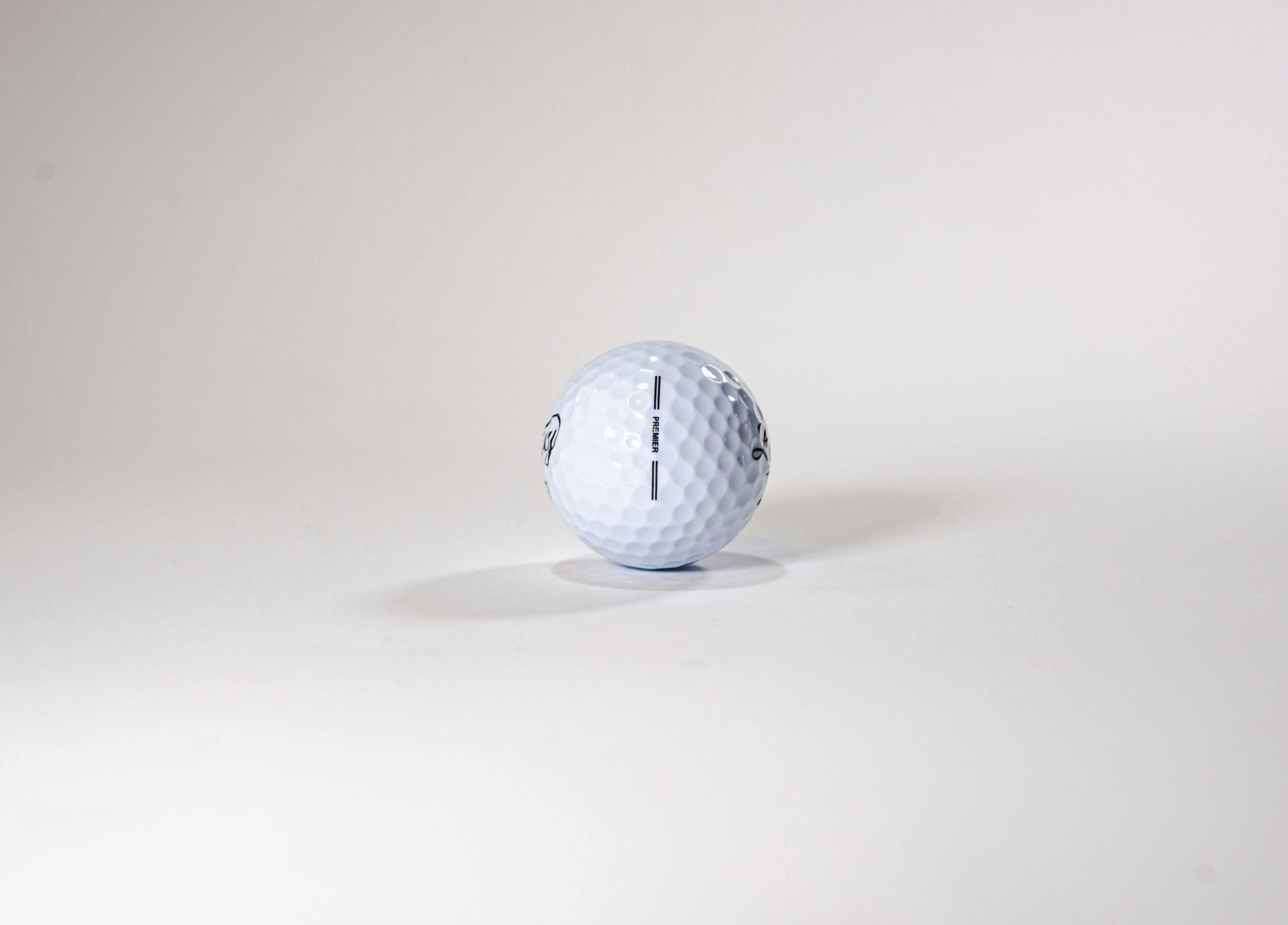
Top golf balls commonly recommended for slow swing speeds
Below are categories and specific models you should test, along with why they suit slower swingers. Try a sleeve of 3–6 balls from several models to see how they feel and perform for you.
| Ball | Construction | Cover | Best for | Notes |
|---|---|---|---|---|
| Wilson Staff Duo Soft | 2-piece | Ionomer | Soft feel, maximum distance for very slow swings | Extremely soft feel; great for golfers who want the softest ball available |
| Callaway Supersoft | 2-piece | Ionomer/soft cover | Low compression distance and soft feel | Popular for low swing speeds; good value |
| Srixon Soft Feel | 2-piece/soft core | Ionomer | Balanced performance for slower swingers | Offers a soft feel with decent control on approaches |
| Titleist Tour Soft | 2-piece/soft core | Ionomer/soft cover | All-around performance with soft feel | Good mix of distance and feel |
| Bridgestone e6 / e12 | 2-piece | Ionomer | Straight flight, low driver spin | Designed for reduced driver spin and straighter shots |
| TaylorMade Distance+ / Soft Response | 2-piece/multi | Ionomer | Emphasis on distance and speed | Tuned for high ball speed off a variety of swings |
| Titleist TruFeel / DT TruSoft (older versions) | 2-piece/multi | Ionomer/soft cover | Soft feel with predictable performance | Geared toward feel and distance for slower speeds |
| Kirkland Signature (Costco) | 3-piece (urethane) | Urethane | Value with surprisingly good performance | Many players report premium performance at a lower cost |
| Volvik Vivid (or Vivid Distance) | 2-piece | Ionomer | High visibility and soft distance | Bright colors plus a soft, distance-oriented design |
| Snell MTB (or MTB-X alternatives) | 2-piece/multi | Ionomer/urethane | Tuned for feel and speed at lower swing speeds | Boutique brand known for value and performance |
Note: Manufacturers often update models and names, and construction details change year to year. Use these picks as starting points to test for your needs.
How the recommended balls match different player profiles
You’ll find that different balls suit different goals. Below are sample player scenarios and the balls most likely to help.
- You want maximum distance and soft feel (very slow swing): Look at Wilson Staff Duo Soft, Callaway Supersoft, Volvik Distance. These maximize launch and ball speed.
- You want a balance of distance and greenside control (slow to moderate swing): Try Srixon Soft Feel, Titleist Tour Soft, or Kirkland Signature.
- You need straighter ball flight and less ballooning: Bridgestone e6/e12 are worth trying because they tend to produce lower driver spin and straighter trajectories.
- Budget-minded but performance-driven: Kirkland and some retail brand distance balls often deliver value.
Tradeoffs: distance vs feel vs short-game control
You’ll face tradeoffs no matter what ball you pick. The softest balls maximize feel and often help with compression at slow speeds, but some of them can produce too much spin with irons, or can feel “squishy” on the greens. Conversely, balls engineered purely for distance might give you more roll but less backspin on approaches.
Think about what you value most. If you regularly struggle to hit enough carry distance, prioritize a ball that improves ball speed and launch. If you’re close to the hole and need to hold greens, prioritize a urethane ball with good greenside spin.

Putting and short-game feel considerations
The ball you choose affects putting feel and distance control. Softer balls typically feel better off the putter and can help you control distance on long putts. Some very soft distance balls can feel odd to players used to firmer tour balls, so allow a little time on the practice green to adjust.
Around the green, urethane covers typically give the most predictable spin and stopping power. If you rely heavily on chips and pitches to hold the flag, favor balls with urethane or higher-end multi-layer constructions that blend softness and spin.
On-course strategy: how to use ball characteristics to your advantage
Once you’ve chosen a ball that helps your speed, you can tweak your strategy to maximize its strengths. If your ball promotes a higher launch and more carry, you can be more aggressive with approaches that require carry over hazards. If your ball reduces driver spin and increases roll, make sure to account for extra rollouts in your yardage calculations.
Also, use ball color to your advantage — high-visibility colors can speed setup and alignment, which helps your routine and confidence on the tee.
Practical tips for making the most of your equipment
- Increase loft if you’re not getting proper launch. A higher-lofted driver or adjusting to a stronger lofted fairway can help you get more carry.
- Optimize shaft flex and weight. If your shaft is too stiff, you’ll lose ball speed; a shaft that matches your swing tempo can boost distance.
- Practice with the ball you will play in competition so feel and distances are consistent.
- Keep the ball clean — dirt or scuffs reduce aerodynamic consistency.
- Rotate sleeves: when testing, use fresh balls of each type and keep them in similar condition to avoid wear bias.
Ball care and longevity tips
Treat balls you like to play with carefully to preserve feel and consistency. Store them in moderate temperatures — extreme heat can change compression slightly and reduce lifespan. Replace older balls that show cuts or excessive scuffs, as damage affects flight and spin unpredictably.
Common mistakes golfers make when choosing a ball
You might be tempted to buy the most expensive ball thinking it’s the best for everything. Premium tour balls often require faster swing speeds and more consistent strikes to feel and spin as designed. Likewise, choosing a ball just because a pro uses it might not work if your swing characteristics are different.
Another mistake is trying to change too many things at once: ball, shaft, and clubs. Test the ball independently first to see how much it helps your game.
How to do a simple at-home ball test (no launch monitor)
You can still gather useful information without tech. On a consistent outdoor range setup:
- Use the same tee, club, and number of swings.
- Mark landing spots or use distance cones and count carry and roll.
- Note which ball gives the best combination of carry and feel.
- Also practice short-game shots and note which ball gives you better stopping power around the green.
When to consider a fitting session
If you’ve tried several balls and still feel unsure, a professional fitting session with a launch monitor can resolve doubts quickly. Fitters will show you carry, launch angle, spin, and smash factor so you can pick the ball that maximizes your performance.
A fitting is especially useful if you’re between ball categories and the best ball depends on small differences in launch or spin.
Summary and final recommendations
You’ll improve results by matching a ball’s compression and construction to your swing speed and goals. If you want a short set of recommendations to try right away:
- If your driver speed is under ~75–80 mph and you want maximum carry: try Wilson Staff Duo Soft or Callaway Supersoft.
- If you want a balance of distance and feel: try Srixon Soft Feel or Titleist Tour Soft.
- If you need straighter flight and low driver spin: try Bridgestone e6/e12.
- If you want premium feel around the greens while still helping a slower swing: consider a urethane-covered multi-layer or Kirkland Signature for value.
Test 3–4 models over a few rounds and use consistent conditions to decide. The right ball can add shots to your game by improving carry, launch, and confidence around the green.
Quick action plan you can follow this week
- Measure your driver clubhead speed (range, fitter, or tracking device).
- Pick three balls from the lists above that match your swing speed and goals.
- Buy single sleeves (3–6 balls) of each and test on the range: 6 full shots and 6 short shots per ball.
- Track carry, feel, and putter feedback. Pick the ball that consistently gives you the best total outcome on the course.
If you try this plan and tell me your driver speed, your preferred balance between distance and control, and one or two balls you’ve tested, I can help you narrow the choices to the single best option for your game.