

Golf fundamentals for beginners: the key takeaways
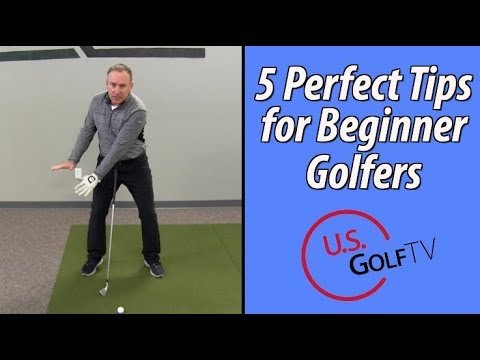
Golf fundamentals for beginners are easier to learn when you practice a few connected movements in order rather than trying to correct every part of your swing at once. In the video The Best Tips for Beginner Golfers, the PGA professional and director of instruction featured by US GOLF TV organizes his advice around two grip checks, one setup idea, and two takeaway movements.
The five tips are specific: hold the club in the fingers, use a short lead thumb, begin with pressure slightly favoring the lead foot, turn into the trail hip and heel instead of swaying, and move the lead arm inward while keeping the clubface square. Together, these address common beginner mistakes that can make a swing feel difficult to repeat.
Think of the list as a starting sequence, not a promise of instant distance or lower scores. The creator’s point is that amateur golfers can build a more dependable motion by practicing simple positions and getting feedback when something feels unclear. Golf fundamentals for beginners develop through repetition, patience, and attention to how the club and body move together.
For your first practice, work through one tip at a time: check the grip, settle into a balanced setup, rehearse the turn, and then add the arm-and-club movement. That is a more useful first goal than trying to copy an advanced swing. Golf fundamentals for beginners are the foundation; on-course performance and distance can come later as your contact and control improve.

Start with an affordable, beginner-friendly equipment checklist
You don’t need a full premium setup to start learning. A practical golf equipment checklist can be simple: a small set of golf clubs that suits your current skill and budget, affordable golf balls, tees, and comfortable clothing and footwear. For golf fundamentals for beginners, equipment should make it easier to practice—not create pressure to buy more before you know what you like.
When choosing golf clubs, prioritize a comfortable fit and manageable cost over the size or price of a set. If possible, try clubs before buying or ask a golf professional to help you assess what feels manageable. A beginner’s needs can change as contact improves, so there’s little reason to treat a costly complete set as a requirement. You can start with the clubs you’ll use most and learn what you need next through practice.
Choose golf balls with your budget and current skill in mind. If you’re still learning to make consistent contact, an affordable ball can be a practical choice while you build confidence; specialized performance claims matter less than having balls you can use freely during practice. Bring tees, too, and choose shoes that feel comfortable and suit the course conditions. Spiked golf shoes are one option for traction, but comfort and a suitable fit should guide your decision.
The video’s grip advice is about where the club sits in your hand, not what equipment to purchase: the club should rest diagonally across the fingers rather than deep in the palm. That distinction matters because a new grip can feel unfamiliar at first. Golf fundamentals for beginners start with learning a manageable setup and using it consistently, not with buying equipment to solve a movement problem.
Five beginner golf techniques to build a repeatable swing
US GOLF TV’s instructor, identified in the transcript as a PGA professional and director of instruction, presents five beginner golf techniques in a useful order. Follow them as separate checks, then combine them gradually. These golf fundamentals for beginners focus on the grip, starting pressure, and first move away from the ball—not on a complete swing overhaul.
- Set the club in the lead-hand fingers. Place the club diagonally across the lead hand, with the pad on top. The grip should exit around the middle of the index finger. As the instructor demonstrates, check whether the club can balance between the pad and index finger; he uses this as a practical test that the club is seated in the fingers.
- Use a short lead thumb. Avoid extending the thumb far down the grip. The creator says a shorter thumb can support the club at the top of the swing, while a long thumb may allow the clubhead to drop.
- Start with pressure slightly favoring the lead foot. The instructor suggests a/40 starting balance, with about percent on the lead side and percent on the trail side. His reason is that this gives pressure room to move toward the trail side as the swing starts.
- Turn into the trail hip and heel. Rotate the body rather than sliding the hips sideways. The instructor describes feeling the trail pocket work back; the trail leg can release naturally as the body turns.
- Move the lead arm inward and keep the clubface square. As the club moves away from the ball, let the lead arm work toward the chest while the face stays square or slightly closed, rather than sending the arm outward and rolling the face open.
Keep setup checks distinct from swing movements. Your golf stance, body alignment, club alignment, and golf ball positioning all affect how you address the shot, but the video does not prescribe exact measurements for these. Ask an instructor to help determine positions that suit your clubs and build. Golf fundamentals for beginners are most useful when you can check them clearly without treating an unprovided measurement as a universal rule.

Avoid common beginner mistakes before they become habits
The instructor’s examples point to five common beginner mistakes: gripping the club in the palm, extending the lead thumb, beginning with too much pressure on the trail foot, swaying instead of turning, and rotating the clubface during the takeaway. These errors are worth checking because they can make the first part of a swing harder to control. For golf fundamentals for beginners, the practical goal is to notice a problem early and make one manageable correction.
The video explains that a palm grip can inhibit the golfer’s ability to hinge and leverage the club. It also describes the long lead thumb as a position that may let the clubhead drop at the top. On the takeaway, the creator contrasts a lead arm moving inward with an arm that moves outward while the face rotates; that outward-and-rotating pattern can make the move away from the ball more difficult to control.
Before each practice swing, use this brief self-check:
- Place the club diagonally across your lead-hand fingers and confirm the lead thumb is short.
- Settle into a comfortable stance and check that the club and body are aimed as intended.
- Notice whether pressure feels slightly more on the lead foot than the trail foot.
- Rehearse a turn into the trail hip and heel instead of a sideways slide.
- Move the lead arm inward with the club, keeping the face square rather than rolling it open.
Change one variable at a time. If you alter your grip, stance, and takeaway together, it becomes difficult to tell which change helped or made the motion feel awkward. Golf fundamentals for beginners should not require forcing a position that causes discomfort or confusion; pause and ask a qualified instructor to check it. Use the checklist calmly, then make a normal practice swing rather than repeating the checks until they become a source of tension.

Practice drills that connect setup to on-course performance
The video’s closing suggestion is to hit shots with pressure on the lead foot. The instructor says he uses this drill with people who are learning the game, but the supplied transcript cuts off before its full instructions. Don’t assume details the video doesn’t provide; if you try the idea, ask an instructor to show you how to do it safely and appropriately. The broader purpose is to help bring the five tips together, not to chase a particular distance. This is one way to turn golf fundamentals for beginners into golf practice strategies you can observe and repeat.
For a careful rehearsal before hitting balls, use the sequence the video supports: check the grip and short lead thumb, make a slow takeaway while turning into the trail heel, and stop if you lose balance or feel discomfort. Keep the movement comfortable. At the driving range, choose a goal you can measure rather than simply hitting as many balls as possible. For example, decide on a number of slow rehearsals that fits your session, then record how many shots start in the direction you intended. Choose your own count; the video doesn’t prescribe one.
You can also practice the short game as an additional strategy, not as a drill shown in the video. Pick a nearby target, hit a small group of chips, and count how many finish close enough for a short putt. This gives you a simple way to pay attention to landing and distance control without confusing the exercise with the instructor’s takeaway drill.
Build a realistic practice schedule by alternating swing fundamentals, short-game work, and occasional course play. If your body feels sore, take a rest day or choose a lighter session rather than pushing through. Golf fundamentals for beginners improve through attentive practice; recording a small, clear measure of progress can help you see skill improvement without making every session depend on a score.
Choose lessons, courses, and playing partners that support learning
A golf lesson can help before you repeat a new movement enough times for it to feel automatic. Ask an instructor to check your grip, setup, and takeaway, especially if the five tips feel difficult to apply together. Private golf lessons are one option when you want individualized feedback, but the video doesn’t compare lesson formats or prices. When looking for golf fundamentals for beginners, focus on finding instruction that addresses your questions clearly rather than assuming one format is right for everyone.
Before booking a first visit, contact local golf courses and ask practical questions: Do they have practice areas? Do they offer introductory instruction? Which facilities are suitable for someone new? What should a beginner know about booking and course expectations? These questions help you choose a golf course that fits your current experience and makes the first visit less uncertain.
Golf course types vary in length and difficulty. A shorter or more forgiving option may feel like a more manageable place to learn than a longer, more demanding layout, but suitability depends on the course and the golfer. Ask the local course which option best suits your experience. You can also look into local golf leagues or beginner groups if playing with others sounds useful; a group designed for newcomers can offer a lower-pressure way to learn course routines and meet playing partners.
Be specific when asking for help. You might say, “I’m new and would like someone to check my grip and first move away from the ball,” or ask a course which practice area is appropriate for a first session. Those steps turn golf fundamentals for beginners into a practical learning plan: get feedback, choose a suitable place to practice, and find people who understand that you’re learning.
Learn basic golf rules, etiquette, and pace of play
Learning basic golf rules is part of preparing for a first round, just as learning how to hold the club is part of preparing to swing. Before you play, find out how your group keeps score, how to identify your ball, and what local procedures the course expects. If you’re unsure, ask a playing partner or course staff rather than guessing. Rules and local policies aren’t always the same thing, so clarify whether an answer applies generally or specifically to that course. Golf fundamentals for beginners include being willing to ask a clear question before uncertainty slows down play.
Common golf-rule misunderstandings are easier to handle when you don’t pretend to know an answer. Ask briefly, listen to the explanation, and follow the applicable rule or course procedure. You don’t need to interrupt every moment to ask about every detail; learn the basic routine before the round and save questions for situations where they matter. If the group is unsure, course staff can explain the local policy.
Good etiquette is practical, not complicated. Be ready when it’s your turn, avoid distracting other players, care for the course, and keep moving at a considerate pace. Tell your group you’re new, ask concise questions, and focus on safe, courteous play rather than trying to match a more experienced golfer’s distance. If you need extra time, stay aware of the group and follow the course’s guidance.
A calm pre-shot routine and awareness of the people around you can make it easier to focus on the next shot. That matters to on-course performance because a round involves decisions and shared space as well as swing mechanics. Golf fundamentals for beginners extend beyond the range: preparation, communication, and considerate pace help you enjoy playing with others while learning the game.

Build a realistic learning plan and protect your body
Set beginner milestones around actions you can repeat, not a score you feel you must reach. Start by establishing a comfortable grip and setup; then work toward a balanced takeaway, consistent practice sessions, and eventually a beginner-friendly round. This order keeps golf fundamentals for beginners manageable: first learn positions, then practice the movement, and then take that learning to the course.
Before hitting balls, spend a little time getting ready. Begin with comfortable movement and easy practice swings, then build gradually rather than starting with forceful full swings. You can move your shoulders, hips, and trunk in a controlled, comfortable way to prepare for practice. The aim is readiness, not pushing your range of motion or stretching to a painful limit.
Pay attention to how your body responds. Stop if a movement causes pain, don’t force extra range of motion, and seek qualified advice if discomfort persists. This is general practice guidance, not a diagnosis or medical treatment. A slower rehearsal can still be useful: you can check the grip, turn, and arm movement without hitting a ball or trying to swing hard.
Golf legends can be inspiring to watch, but their swings reflect different experience and skill. Rather than copying an advanced player’s motion, focus on the instruction that fits your current starting point and ask a qualified professional to help adapt it. Golf fundamentals for beginners are a process: practice a small number of useful movements, take breaks when needed, and recognize progress in balance and repeatability as well as in results.
Questions new golfers often ask
New golfers often want a single score, swing key, or rule that makes the game feel less uncertain. The video’s advice points in a more practical direction: start with a functional grip, a balanced setup, and a controlled takeaway, then learn the course routine through practice. Golf fundamentals for beginners don’t answer every rules question, but they give you useful priorities while you learn.
For your first round, a useful goal is to complete the experience safely, learn the routine, and enjoy being on the course. There is no single score that defines a good first round. In ordinary stroke play, the player with the lowest total score wins, but a beginner can first focus on learning how scoring works and improving consistency from one practice session to the next.
The phrase “80/20 rule” can mean different things to different golfers; the supplied video doesn’t discuss it. If an instructor uses the phrase, ask what they mean in that context rather than assuming it is a universal rule. And if you’re asking which skill matters most, use the video’s emphasis as a starting point: a functional grip, balanced setup, and controlled takeaway provide a practical foundation for developing the rest of your game.
When you’re unsure about a rule or course procedure, ask a playing partner or course staff. When you’re unsure about a swing movement, ask an instructor. That division keeps golf questions in the right place and helps golf fundamentals for beginners develop alongside a clearer understanding of how to play.

Conclusion: turn five tips into your next practice session
The most useful message from US GOLF TV’s lesson is its order of priorities: place the club in the lead-hand fingers, shorten the lead thumb, begin with pressure favoring the lead foot, turn into the trail hip and heel, and move the lead arm inward while keeping the clubface square. These five checks give you a manageable starting point for your golf swing without asking you to master every technical detail at once.
For your next session, write the five tips down, rehearse them slowly, and choose one movement to focus on while you hit balls. Set a practice goal you can track, such as recording how many shots start in your intended direction, and stop if you lose balance or feel pain. If you can, ask a qualified instructor to check your grip and takeaway before repeating a correction many times.
Then build on that session: add short-game practice, learn basic rules and etiquette, and choose a course or group that suits your experience. Golf fundamentals for beginners are not a shortcut to instant results; they’re a clear way to begin. Keep the equipment simple, practice with purpose, and measure progress by the quality and repeatability of your movements as well as by what happens on the scorecard.
Key Takeaways
- Start the club diagonally across the lead-hand fingers, with the pad on top and a short lead thumb.
- Begin with pressure slightly favoring the lead foot; the instructor suggests a/40 balance.
- Turn into the trail hip and heel rather than sliding the hips sideways.
- On the takeaway, move the lead arm inward while keeping the clubface square.
- Practice one change at a time, track a simple goal, and seek instruction when a movement feels unclear or uncomfortable.
Frequently Asked Questions
What is a good score for a first time golfer?
There’s no single score that defines a good first round. Completing the round safely, learning the routine, and enjoying the experience are useful first goals.
How do you win at golf?
In ordinary stroke play, the player with the lowest total score wins. If you’re new, first focus on learning how scoring works and improving your own consistency.
What is the/20 rule in golf?
The supplied video doesn’t discuss the/20 rule, and golfers may use the phrase in different ways. Ask the instructor what they mean rather than treating it as a universal golf rule.
What skill is most essential for golfers?
For a beginner, a functional grip, balanced setup, and controlled takeaway are a practical foundation. The video emphasizes these fundamentals rather than naming one skill as universally most important.
What should a beginner practice first?
Start with the grip and lead-thumb position, then work on your starting pressure and a controlled turn into the trail hip and heel. Add the lead-arm and clubface movement gradually, and ask an instructor to check your positions if you’re unsure.