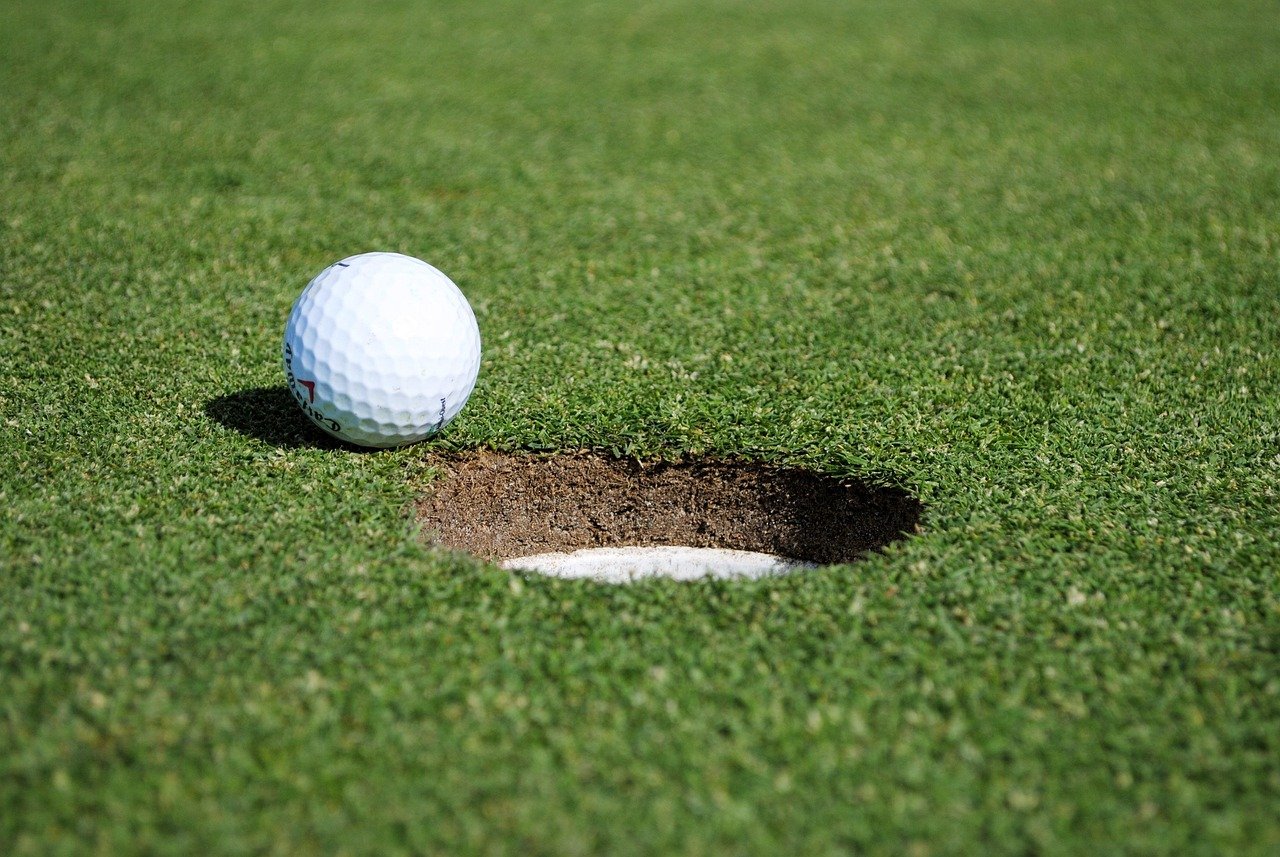

? Do you want more distance and better control even though your swing speed is on the slower side?

What Is The Best Golf Ball For Slow Swing Speed?
You’ll find that the best golf ball for slow swing speed is one that helps you maximize distance while preserving feel and control. The right ball balances low compression, an efficient trajectory, and the correct amount of spin so your slower swing converts into the best possible performance.
Why swing speed matters
Your swing speed strongly influences how a golf ball compresses, launches, and spins. If you use a ball designed for faster swings, a slow swing may not compress the core enough, producing lower energy transfer and reduced distance.
What swing speed is considered slow?
Generally, a “slow” swing speed refers to driver head speeds under about 85 mph. If your driver speed is between 70–85 mph, you’ll most often benefit from balls engineered with lower compression and designs that help increase launch and carry.
How compression affects performance
Compression rating describes how much a ball deforms when hit; lower compression typically feels softer and can help slower swings get more distance. If your swing speed is low, a soft, low-compression core can increase energy transfer and produce higher launch.
Cover materials and layers
Golf balls come in two-piece, three-piece, or multi-layer constructions and use either ionomer or urethane covers (or both). You’ll want a construction that gives you distance off the tee but also the spin and feel you need around the greens.
Spin, launch, and trajectory considerations
A ball that produces too much spin off the driver will lose distance through ballooning; conversely, too little spin can hurt stopping power on approaches. For slower swings you generally want moderate driver spin and a higher launch to maximize carry.
How compression numbers translate to swing speed
Lower compression does not always mean dramatically more distance—ball design and cover matter too—but using the right compression for your swing speed is a clear first step. Below is a practical mapping to help you choose.
| Swing speed (driver) | Compression range to consider | Typical objective |
|---|---|---|
| Under 70 mph | 30–50 | Very soft core, highest launch, very soft feel |
| 70–85 mph | 40–60 | Soft-to-medium compression, balanced launch and control |
| 85–95 mph | 60–80 | Medium compression, tighter control with good distance |
| Over 95 mph | 80+ | Higher compression, optimized for control and spin management |
Top characteristics to look for in a golf ball for slow swing speed
You’ll want to look for several specific features when choosing a ball to match your slower swing speed. These characteristics will help you get more distance while keeping the performance you need around the greens.
Low compression core
A lower compression rating helps you compress the ball more easily at slower speeds, increasing energy transfer and launch. Look for compression ratings in the 30–60 range depending on how slow your swing is.
Low-to-moderate driver spin
Too much spin off the driver can cause the ball to climb and lose carry distance, a common issue if your swing energy is insufficient to keep a ball penetrating. Choose a ball designed to reduce long-game spin while still maintaining enough spin for control with shorter clubs.
Soft feel around the greens
You’ll want a ball that feels soft on chips, pitches, and putts so you can control shots around the green. Soft covers (urethane or softer ionomer blends) provide that tactile feedback and better short-game stopping power.
Good launch characteristics
Balls that promote a higher initial launch angle tend to increase carry distance for slower swing speeds. Look for construction that pairs a soft core with an aerodynamic, dimple pattern tuned for higher launch.
Durable cover and value
Even if a ball performs well, you’ll want durability so you don’t have to replace them constantly. Evaluate the balance between performance and price, and consider balls that offer durability without sacrificing the soft feel you need.
Multi-layer vs two-piece construction
Two-piece balls often deliver maximum distance and durability with a soft core and firm cover, while multi-layer balls give more nuanced performance (distance + short-game control). For many slower-swing players, a soft two-piece or low-compression multilayer ball is the best choice.

Best golf balls for slow swing speeds — recommended models
You’ll see a range of models made specifically to suit slower swing speeds. Below are several top choices across categories like distance, feel, and value, with a short explanation of why each might suit you.
| Ball model | Layers | Cover | Approx compression/feel | Best for |
|---|---|---|---|---|
| Titleist Velocity | 2 | Ionomer | Medium-low, high-launch feel | Straight distance and higher launch |
| Callaway Supersoft | 2 | Ionomer | Very low, extremely soft | Maximum feel and soft distance |
| Srixon Soft Feel | 2 | Ionomer | Low, soft feel | Balanced distance and feel at a good price |
| Wilson DUO Soft | 2 | Ionomer | Very low, ultra-soft | Maximum softness and distance for slow swings |
| Bridgestone e6 | 2 | Ionomer | Low-mid, low long-game spin | Low spin distance and straight flight |
| TaylorMade Soft Response | 2 | Ionomer | Low, soft with higher launch | Soft feel plus added distance |
| Titleist Tour Soft | 2 | Ionomer | Low-medium, soft feel | Premium feel with distance for moderate slow swings |
| Snell MTB Black | 2 | Ionomer | Medium-low, controlled spin | Player-friendly distance and control |
Titleist Velocity
You’ll get a ball designed to create fast ball speed and high launch, which is excellent for slower swings trying to boost carry. It’s a great option if you want distance with a forgiving feel.
Pros: High launch, straight flight, good speed.
Cons: Not the softest green-side feel compared with urethane covers.
Callaway Supersoft
You’ll notice how soft this ball feels immediately; it’s optimized for extremely low compression and a high launch. It’s one of the most popular choices among recreational golfers with slower swings.
Pros: Very soft, affordable, excellent feel.
Cons: May lack spin control for advanced short-game strategies.
Srixon Soft Feel
You’ll get a reliable balance of feel, distance, and affordability from this model. It’s tuned to help slower swings get a bit more carry while still providing acceptable short-game response.
Pros: Balanced, good value, consistent performance.
Cons: Not as premium around the greens as urethane-covered balls.
Wilson Staff DUO Soft
You’ll experience one of the softest cores on the market, designed specifically for distance at low swing speeds. This ball emphasizes feel and long-game distance in an ultra-soft package.
Pros: Ultra-soft feel, excellent value, consistent roll.
Cons: Cover durability can be lower than premium options.
Bridgestone e6
You’ll appreciate the low long-game spin and straight ball flight this ball produces, making it ideal if you suffer from side spin and erratic trajectory. It’s a good option when distance and forgiveness are priorities.
Pros: Low spin, straight ball flight, good feel.
Cons: Slightly firmer feel than some ultra-soft options.
TaylorMade Soft Response
You’ll gain a soft-feeling ball engineered to increase ball speed and launch for slower swings. It’s a solid mix of softness and performance for golfers trying to find optimal carry.
Pros: Soft feel with added distance, good control.
Cons: Might not be as durable as tougher ionomer covers.
Titleist Tour Soft
You’ll find a slightly more premium soft-feel ball that still suits moderate slow swings. It aims to balance feel and speed for players who want both performance and a softer touch.
Pros: Premium feel and performance, consistent distance.
Cons: Price is higher than basic soft models.
Snell MTB Black
You’ll note Snell’s emphasis on value with player-friendly performance, combining a soft core and good iron control. It tends to suit players who want distance without sacrificing a bit of spin control.
Pros: Excellent value, consistent spin and distance.
Cons: Less widely available in some markets.
How to test balls and choose the right one for you
You’ll want a repeatable testing method to identify which ball truly helps your swing. Systematic testing removes guesswork and shows you what produces the most carry, total distance, and accuracy.
Use metrics that matter
Prioritize carry distance, total distance, launch angle, spin rate, and dispersion (how straight the shots fly). These metrics tell you whether the ball is gaining you usable yards or just feeling better.
Use a launch monitor if possible
A launch monitor gives objective data on ball speed, launch angle, and spin rate so you can directly compare different balls. If you have access, test several balls under similar conditions to compare numbers.
On-course testing
Lab numbers are useful, but you also need to test balls in real course conditions to feel how they react into greens and how they hold up. Play at least a few holes with each ball type to judge short-game behavior.
At-home testing without a launch monitor
You can still test effectively at your local range: hit consistent swings with each ball, record carry distances using markers or GPS, and track dispersion and feel. Use 6–10 shots per ball type to average out inconsistencies.
What to look for in results
Choose the ball that gives you better carry and total distance with acceptable accuracy and the feel you prefer around the greens. If two balls give similar distance, prefer the one that offers superior feel and short-game control.
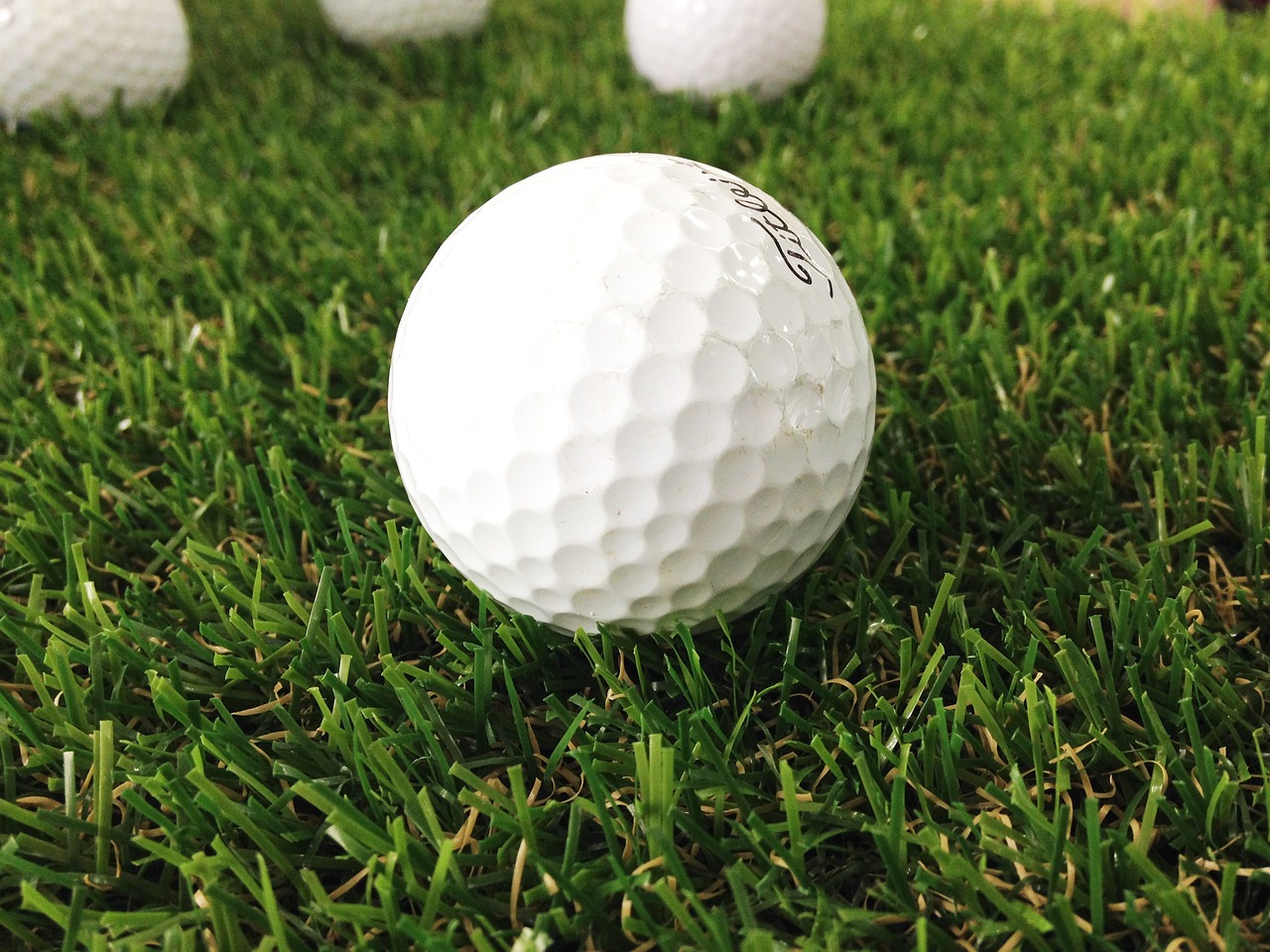
Equipment and technique tips to maximize distance with slow swing speed
Changing your ball is part of the solution, but adjusting equipment and technique will compound the benefits you get from a better-matched ball. You’ll increase distance more effectively by combining the right ball with other adjustments.
Driver loft and shaft flex
You’ll often benefit from more loft and a shaft that matches your tempo and speed; higher lofts (10–12 degrees) and regular or senior flex shafts can help you generate higher launch and more carry. A proper shaft fitting can produce significant improvements.
Ball position and tee height
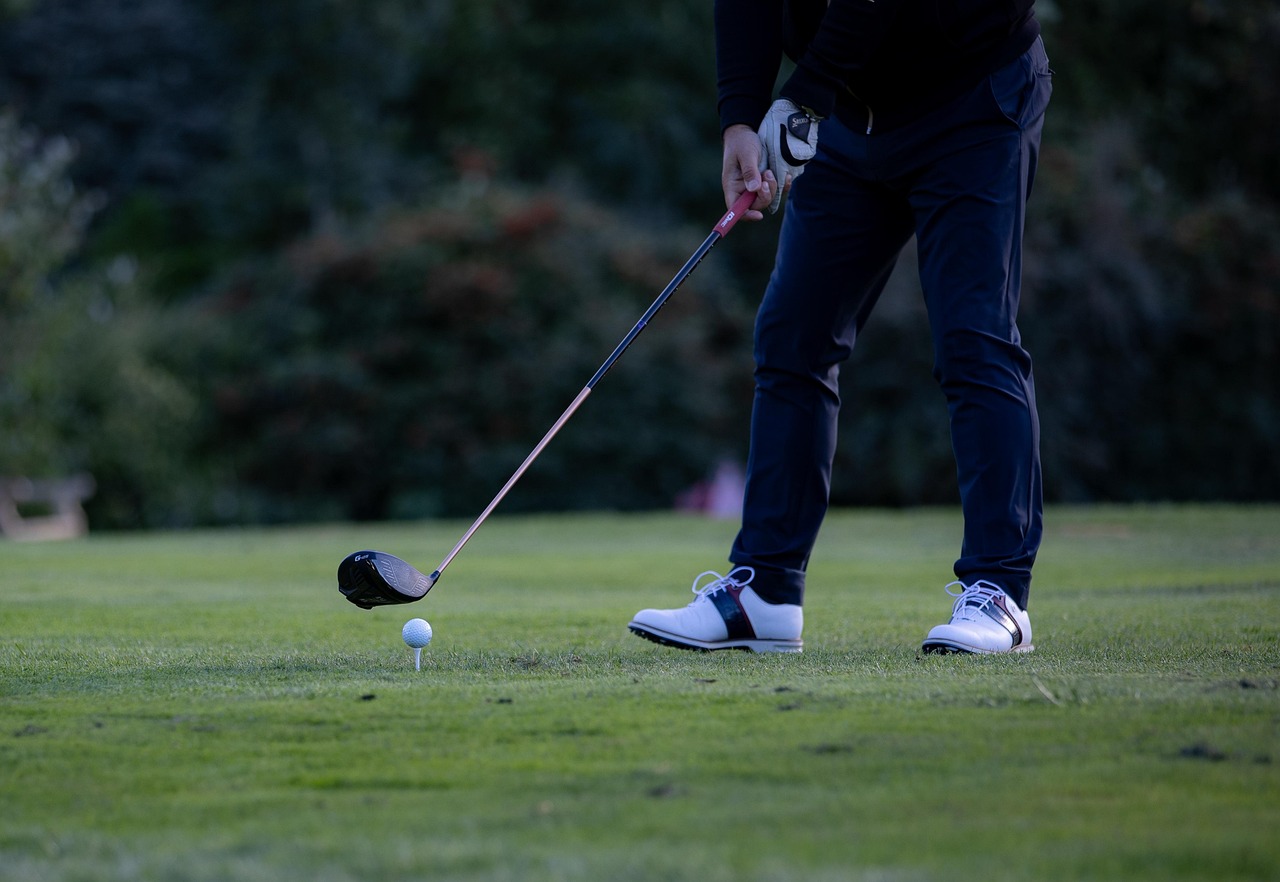
Place the ball slightly forward in your stance and tee it so about half the ball sits above the driver face at address to encourage an upward strike. Small tweaks to tee height and ball position can increase launch angle and reduce spin.
Swing tempo and increasing clubhead speed
Work on a steady tempo and gradual acceleration through impact to maximize clubhead speed without sacrificing control. Drills that focus on rhythm and balance will often yield more game-ready speed than aggressive attempts to swing faster.
Weight transfer and angle of attack
A positive angle of attack (slightly upward) with the driver helps you launch the ball higher and increase carry. Practice driving because hitting up on the ball is critical for slower swing speeds to optimize launch and reduce spin.
Short game adjustments
You’ll still want good spin control and feel around the greens despite using a low-compression ball for the tee. Practice chipping and pitching with any candidate ball so you’re confident you can stop approaches when necessary.
Common myths and mistakes when choosing a ball for slow swings
You’ll encounter a lot of advice that sounds convincing but isn’t helpful. Recognizing myths will keep you from choosing a ball that looks good on paper but fails to help your actual game.
“Softer is always better”
Softer balls help many slow swingers, but not always. If you need more spin and control with your irons and can compress a slightly firmer ball effectively, you may prefer a mid-compression model instead.
“More layers equal better for everyone”
Multi-layer balls offer nuanced performance, but for pure distance and simplicity a soft two-piece ball often gives the best results for slower swings. Multi-layer construction benefits players who need both driver distance and short-game spin in the same ball.
“Expensive balls automatically help you more”
Higher price often correlates with finer short-game control and marketing toward better players, but the most expensive ball may not give you more distance if it’s not tailored to your swing speed. Test before investing in premium products.
When to choose a urethane cover
You’ll choose urethane if ultimate green-side control and feel matter to you and if your iron swings generate enough spin. Urethane covers are typical of premium multi-layer balls and provide superior stopping power and softer feel around the greens.
Who should pick urethane?
Pick urethane if you regularly play approach shots into fast greens and need consistent spin to hold them. If your swing speed is very low and you can’t impart much spin, a urethane ball may not add value and could cost you distance.
Budget considerations and durability
You’ll balance performance with how often you lose or scuff balls. Lower-priced soft two-piece balls often offer the best cost-per-round for slower-swing golfers who want soft feel and distance without sacrificing durability.
How to choose based on value
If you lose many balls, pick a lower-cost soft model that still matches your compression needs. If you keep your balls mostly intact, it can be worth trying mid-tier or premium options to see if the feel and control benefit your short game.
Sample testing plan (one-week protocol)
You’ll get the most reliable decision by testing methodically over time rather than a single bucket at the range. Follow this short plan to determine which ball suits you best.
- Select 3–4 candidate balls that match your swing speed (e.g., Callaway Supersoft, Srixon Soft Feel, Bridgestone e6, Wilson DUO).
- Day 1: Range session — hit 10 full shots with each ball using the same club (driver) and record carry and dispersion. Average the numbers.
- Day 2: Range session — hit 10 iron approach shots (e.g., 7-iron) with each ball and note stopping power and spin feel.
- Day 3: Play 3–6 holes with each ball in actual course conditions, prioritizing feel on chips and putts and how well approaches hold.
- Compare total distance, consistency, and feel to pick the best overall. If results are close, choose based on short-game performance and durability.
Troubleshooting: If the ball feels wrong
You’ll know a ball isn’t right if you lose distance, experience erratic spin, or can’t stop the ball on the green. If this happens, try a slightly firmer or softer compression, increase loft, or test a urethane cover to match your short-game needs.
Practical adjustments
If a ball generates too much spin and balloons, pick a model with lower long-game spin. If you can’t stop your approach shots, test a urethane-covered ball or examine your loft and technique to ensure you can impart enough spin.
Final recommendations
You’ll likely get the best overall balance for slow swing speed from soft two-piece balls or low-compression multilayer models depending on your priorities. If maximum distance and soft feel are your goals, call out names like Callaway Supersoft, Wilson DUO Soft, or Srixon Soft Feel; for a bit more premium performance with feel, consider Titleist Tour Soft or Bridgestone e6.
Best overall for slow swing speed
If you want a mix of distance, feel, and consistency, start with a mid-range soft ball like Srixon Soft Feel. It offers a reliable balance and budget-friendly pricing.
Best for pure distance
If carry distance and high launch are the top priorities, try Titleist Velocity or TaylorMade Soft Response. These are tuned to maximize ball speed and loft for slower swings.
Best for feel and short-game control
If feel is crucial and you can impart enough spin with your irons, test a urethane or premium soft model like Titleist Tour Soft. It gives superior touch around the greens while still being suited to moderate slow swings.
Best budget option
For excellent soft feel and affordable pricing, Wilson DUO Soft or Callaway Supersoft are excellent choices and will often give you a great value-to-performance ratio.
What you should do next
Pick two or three of the recommended balls that match your swing speed and run the sample testing plan across a few range and course sessions. When you test, keep the conditions consistent and focus on carry distance, dispersion, and short-game feel — those metrics will tell you which ball truly fits your game.
You can improve results further by pairing the right ball with proper driver loft and shaft flex and working on a controlled swing tempo. With a little testing and a few targeted adjustments, you’ll find a ball that helps you get more distance, better control, and greater enjoyment from your rounds.