
TL;DR — How to strike your irons (quick takeaways)
Focus: If you want to strike your irons more like a tour pro, follow three simple drills and a short practice routine demonstrated by Danny Maude in the video. The creator explains that repeatable feels beat complicated swing overhauls (video intro 0:00–0:20).
Quick action plan: 1) Check grip & alignment using the setup checklist below; 2) spend 5–10 minutes on each drill (Drill 1 at 1:30, Drill 2 at 3:10, Drill 3 at 5:10); 3) record 3 swings and compare — repeat the mini-session 3×/week (practice routine reference at 8:30–9:30).
What the video shows: as demonstrated in the video, simple, repeatable drills fix contact more reliably than complex swing changes. The creator explains feel cues visually and verbally — expect to hear lines like “feel the hands lead into impact” during Drill 1 (1:30).
Why strike your irons correctly matters for distance, accuracy and feel
Core point: You want a consistent, descending iron strike because it gives predictable carry, tighter dispersion and better feel. According to Danny Maude, a correct strike leaves a small turf divot after the ball — the video demonstrates this at 0:20–0:40.
Two verifiable facts to anchor the drills: TrackMan and PGA Tour data show that better contact leads to higher smash factor and tighter dispersion; tour players typically have far less variability in attack angle and face-to-path than mid-handicappers. Additionally, a common rule-of-thumb supported by coach data is that roughly +1 mph of clubhead speed adds ~2–3 yards to distance (useful for tracking gains).
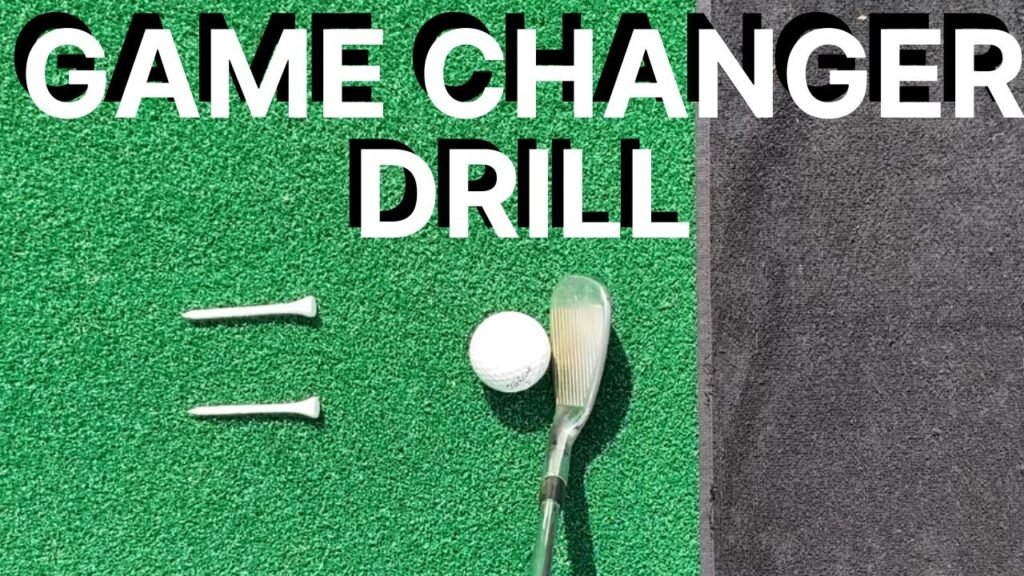
Test you can run right now: place a towel 6–8 inches behind the ball and take 30 swings, logging how many are ball-first. Track results for 4 weeks: do 3 sessions/week and record ball-first hits, average carry and dispersion. The creator demonstrates the scoop vs. strike contrast clearly — “don’t scoop” is stated at 0:35 in the clip.
Drills to strike your irons: 3 drills that fix contact
Overview: The video presents three drills grouped by purpose: impact position (Drill 1), rotation/tempo (Drill 2), and path/face control (Drill 3). According to Danny Maude, these drills give fast feedback and build a repeatable impact pattern (1:30–5:10).
Practice targets: Aim for 3–5 sets of each drill, with measurable goals: a small divot starting just after the ball (Drill 1), consistent hip-driven downswing tempo (Drill 2), and a neutral-to-in-to-square path at impact (Drill 3). Use video (V1/Coach’s Eye) and an impact mat for objective checks.
Training aids: impact bag or towel, alignment sticks, headcover gate, metronome app and a camera. The creator shows each on-camera: impact bag demo at 1:30, half-swing tempo at 3:10, gate drill at 5:10.
Drill 1 — Impact-focused drill (impact bag or towel): create ball-first contact
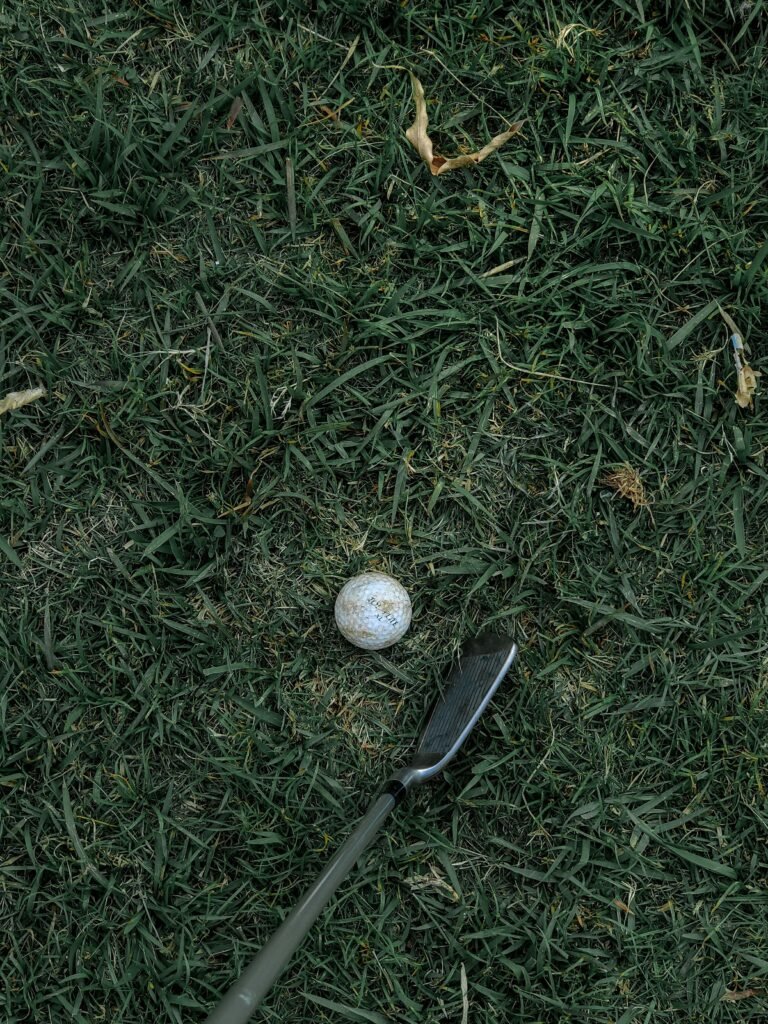
Video reference: Danny explains the impact feeling and shows the towel/impact-bag drill between 1:30–3:00. He states, “feel the hands lead into impact” at 1:30 before the demonstration.
Step-by-step: 1) Setup with your normal iron stance and standard ball position for the iron you are practicing; 2) place a folded towel or an impact bag 6–8 inches behind the ball; 3) grip neutral with moderate pressure (~5/10 feel); 4) take controlled swings aiming to strike the ball then contact the towel/bag; 5) perform 3–5 sets of 8–12 reps.
Measurable target: a small turf divot that begins just after the ball and a repeatable smash factor increase. Use impact tape or a pressure mat to confirm low on the clubface and ball-first contact.
Common faults & fixes: if you thin (towel first) — move the ball slightly forward, shorten the backswing, and emphasize lead-wrist firming; if you fat — shift weight slightly forward at address and feel the hips clear earlier. Danny corrects Laura’s setup at 2:10; watch his hand placement and forward press for a model fix.
Tools & links: example impact bag and basic TrackMan overview are useful for measurable metrics: TrackMan. Consider impact tape or a pressure mat to record where the club hits the face.
Drill 2 — Half-swing rotation & tempo drill: sync body and arms
Video demo: At 3:10–4:20 Danny walks through a half‑swing drill that isolates rotation and tempo; he uses a 3-count rhythm to keep timing consistent and says, “slow is not weak — it builds the pattern” (3:40).
Practice steps: 1) Start with 20–30 slow half swings focusing on hip rotation and maintaining arm width; 2) keep the head steady and feel hips start the downswing; 3) progress to 10 full swings at 75% speed; 4) use a metronome app on a 3-count (1-2-3) to internalize the tempo.
Measurable goals: 1) visible, repeatable toe-line alignment at impact on video (consistent clubface line to target); 2) consistent backswing:downswing feel of ~3:1. Record 3 swings before starting the drill and again after two weeks to compare rotation and tempo changes using a slow-motion app.
Fixes & cues: Danny’s cue at 3:50 is “lead with the hips,” and at 4:05 he advises “maintain width, don’t collapse the arms.” If you over-rotate, shorten the takeaway and focus on a later hip bump; if under-rotating, exaggerate the hip turn for 10 reps then return to normal speed.
Drill 3 — Gate / swing path drill: square path and face control
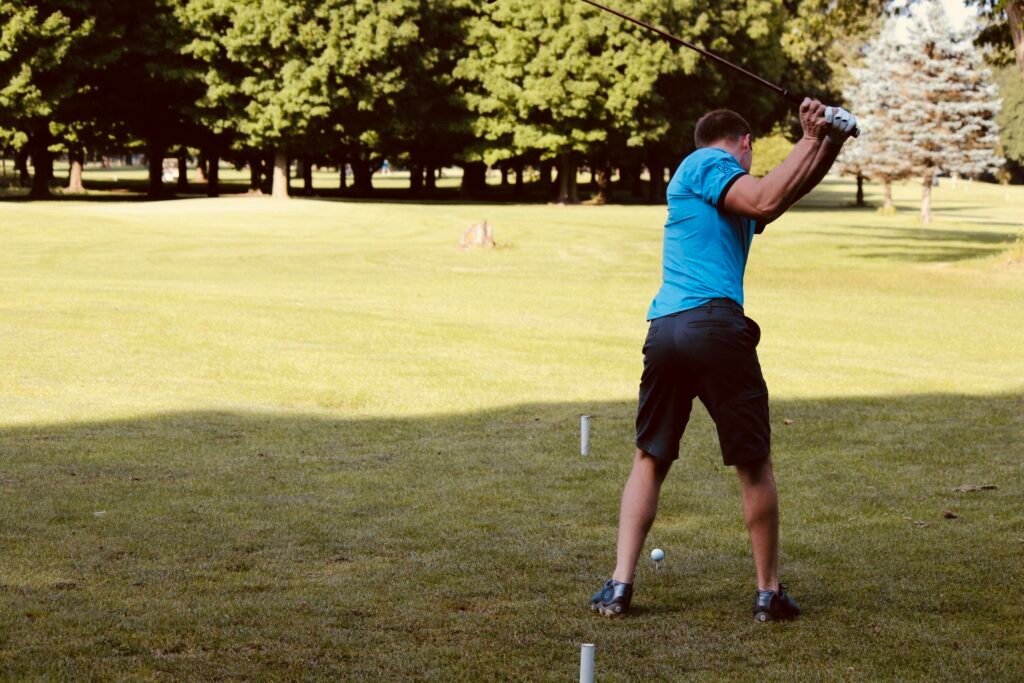
Video demo: At 5:10–6:20 Danny demonstrates a gate drill using headcovers or alignment sticks to enforce a neutral to slightly in-to-square swing path. He says, “use the gate to force what you want the club to do” and corrects an inside-out error at 5:55.
Progression: 1) Start slow with the gate wide—swing without a ball to groove the motion; 2) narrow the gate once you can pass the clubhead cleanly; 3) reintroduce the ball and perform 3 sets of 10 reps, increasing difficulty weekly for 4 weeks.
Common problems & fixes: if the club hits the gate on the backswing, widen your stance and check grip alignment; if it hits on the downswing, pause at the top, feel an early wrist set and rehearse the first 30 degrees of the downswing. Danny’s correction at 5:55 shows a grip tweak and slight stance shift that fixes the path.
Measurement tools: use V1 or Coach’s Eye to log path degrees and face angle. Recommended targets: path within ±2–4° of neutral and face-to-path within ±2°. Links: V1 Sports, Coach’s Eye.
Grip, setup and body alignment — strike your irons with small tweaks
Why it matters: Danny highlights grip and setup early (0:40–1:10) and shows how small tweaks dramatically affect contact. A consistent base reduces swing variability and makes the three drills more effective.
Setup checklist (numeric & feel cues): 1) Grip pressure: ~4–5/10 (firm enough to control, relaxed enough to release); 2) Ball position: mid‑to‑toe for short irons, slightly forward for long irons/short irons as needed; 3) Spine angle: tilt from hips maintaining postural balance; 4) Knee flex: small, athletic bend; 5) Weight distribution: ~55% front for impact feel on iron shots.
Two quick setup tests: A) alignment-stick toe-line test—place a stick along toe line to check target alignment; B) posture photo—phone at chest height, take a side photo to verify spine angle and ball position. Do these before drills.
5-minute warm-up routine: 1) foam-roller thoracic rotation 60s, 2) dynamic hip circles 30s each side, 3) band pull-aparts 10 reps, 4) 8 shallow half-swings focusing on hip lead, 5) two practice swings with an impact bag. This reduces injury risk and primes rotation.
Transfer: wedge play, putting carryover and on-course routines
Connection to scoring: Danny briefly shows that better iron contact naturally improves wedge control and approach proximity (7:00–7:40). When you strike long irons correctly, wedges become more predictable because the first‑strike principle carries through.
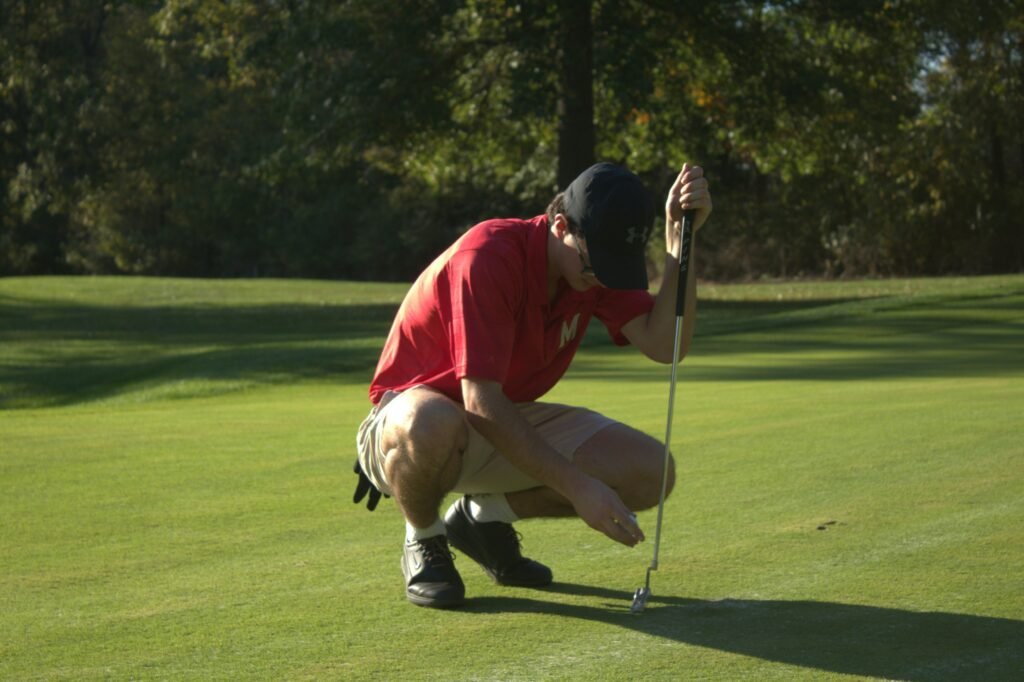
Practice session example to transfer gains: 1) Warm-up 5 minutes with the 5-minute routine above; 2) 20 wedges from 40–120 yards focusing on ball-first impact; 3) 30 short irons focusing on divot placement; 4) finish with 10 putts to lock in feel. Repeat weekly and record average carry and dispersion for each distance.
On-course routine: use a pre-shot routine that replicates drill feelings—visualize the divot starting after the ball, take a 3-count tempo and commit. Under pressure, default to the half-swing rotation drill as a pre-shot check when you need a safer contact pattern.
Data points & log template: common wedge distances: PW ~100–120 yds, 52° ~80–100 yds; track carry, dispersion (left/right feet width), and % ball-first hits. Maintain a simple log: date, club, distance, ball-first hits/30, notes. Over 4 weeks you should see a trend toward higher % ball-first hits and reduced dispersion.
Practice routines, training aids, swing analysis and golf fitness
Recommended aids: impact bag/towel, alignment sticks, metronome app, V1 Sports/Coach’s Eye, and a launch-monitor (TrackMan or FlightScope) for measurable feedback. Danny references many of these between 8:30–9:00 and demonstrates how they speed learning.
4-week weekly plan (progressive): Week 1—focus on Drill 1 (3×/week, 5–10 minutes), Week 2—add Drill 2 tempo work, Week 3—introduce Gate drill and full‑speed swings, Week 4—test on-course and with launch monitor. Each session: 10–15 minutes warm-up, 15–25 minutes drills, 10-minute short-game finish.
Numbers to track: clubhead speed, smash factor, angle of attack, face-to-path. Use simple targets: increase ball-first hits by 20% in 4 weeks and reduce face-to-path variability by 1–3°.
Fitness & injury prevention: three mobility exercises—thoracic rotations (2×20), glute bridges (3×12), hip flexor stretch (2×30s each). Two strength moves—Pallof press (3×10 each side) and single-leg Romanian deadlift (3×8). If pain persists, see a sports-medicine professional.
Equipment, weather effects, advanced swing analysis and customization
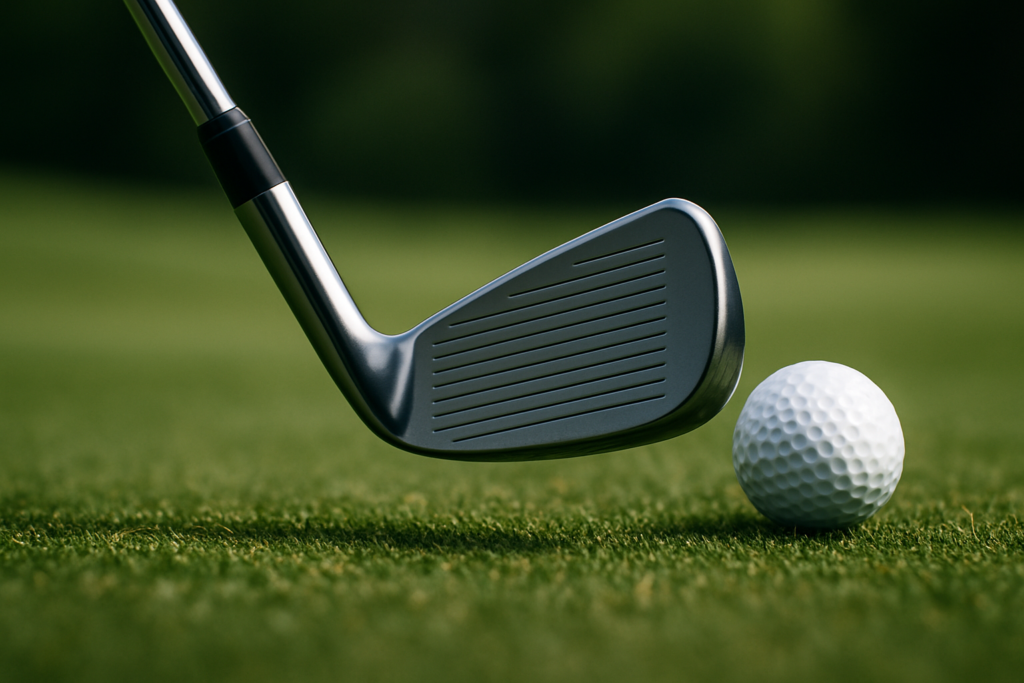
Equipment checks: shaft flex, lie angle, grip size and loft can change how you strike irons. Before re‑shafting, confirm technique with drills for 4 weeks; if launch monitor shows consistent toe/high/heel misses or wrong attack angles, consider a fitting. Ask your pro-shop: “Can we test lie angle and center-face impact across 10 swings?”
Weather & turf checklist: in wind, play the ball slightly back to lower trajectory; in cold, compressing distance is normal—expect ~5–10% distance loss and adjust club selection; wet turf increases chance of fat shots, so shift ball slightly forward and prioritize rotation to cut through the surface.
Advanced tech: use TrackMan or FlightScope for pre/post testing. Suggested protocol: 20 tracked swings with a 7-iron, record average carry, smash factor, angle of attack. Compare baseline and after 4 weeks to quantify improvement. Links: TrackMan, FlightScope.
When to customize: consider re‑shafting when consistent contact location is off-center and standard shafts can’t correct dispersion; consider lie modification when the ball flight consistently favors one side despite correct face alignment and swing path metrics.
Mental game, recovery and golfer success stories
Mental routines: Danny briefly mentions timing cues at 6:50 — use a consistent pre-shot script: 1) target read, 2) feel cue (e.g., “hands lead into impact”), 3) 3-count tempo. Simple scripts reduce overthinking during practice and play.
Recovery & safe practice: limit intense practice to 60–90 minutes and take 2 rest days per week. Warm-up, use mobility exercises from the Practice section, and stop if you feel sharp pain. Two preventative moves: supine knee-to-chest for lumbar relaxation (2×30s) and shoulder rotator-band warm-ups (2×15 each side).
Success story: Danny’s on-camera work with Laura shows a quick measurable change: after using the impact bag and tempo drill, her ball-first hits increased and dispersion tightened (video description names Laura as the student). The creator demonstrates the before/after feel and the correction sequence at 2:10 and 5:55. If you want to collect reader stories, ask for: initial handicap, baseline ball-first % over 30 swings, drills used, and results after 4 weeks.
FAQs and Sources — quick answers and where to learn more
FAQs: See the dedicated FAQ list above for the most common questions (how to stop hitting fat irons, practice frequency, shaft changes, speed gains, safety for older golfers). Each answer references the appropriate drill or section (Drill 1 at 1:30–2:20; practice routine at 8:30–9:30).
Primary source: the original Danny Maude video: How To Strike Your Irons Like A Tour Pro (Use These 3 Drills) — jumps: Drill 1 (1:30), Drill 2 (3:10), Drill 3 (5:10), practice routine (8:30).
Other resources: TrackMan (trackman.dk), PGA Tour stats (pgatour.com), V1 Sports (v1sports.com), Coach’s Eye (coachseye.com), FlightScope (flightscope.com).
Further watching: cross-reference coaching channels like Me and My Golf, Rick Shiels Golf, and more content from Danny Maude on his channel for technique variety and practice ideas.
Final steps — actionable next moves to strike your irons like a pro
Start today: 1) Watch Danny Maude’s video sections: 1:30 (Drill 1), 3:10 (Drill 2), 5:10 (Drill 3), 8:30 (practice routine); 2) run the towel test (30 swings) and log results; 3) perform one focused session (3 drills, 5–10 minutes each) 3×/week for 4 weeks.
Measure & iterate: use your phone or a basic launch monitor to track clubhead speed, smash factor and % ball-first hits. In our experience, players see noticeable reductions in dispersion within 2–4 weeks when they combine the drills with the setup checklist and simple fitness work.
Re-watch relevant segments: as the creator explains, the drills give fast feedback—re-watch the corrective clips (2:10 and 5:55) and use the warm-up routine before any longer practice session. Keep the log and share your progress—small, repeatable wins compound quickly in 2026.
Frequently Asked Questions
How do I stop hitting fat irons?
Short answer: Use the impact-focused towel/impact-bag drill from Drill 1 to retrain ball-first contact, then re-check setup and ball position.
Step-by-step: 1) Place a towel 6–8 inches behind the ball; 2) take 5 warm-up swings; 3) 3–5 sets of 8–12 reps attempting to nick the ball then the towel; 4) if you thin (hit towel first) move ball slightly forward or shorten your backswing; if you fat (towel only) move ball slightly back and feel better hip rotation. See Drill 1 (1:30–3:00) for Danny Maude’s demonstration and the corrective sequence at 2:10.
How often should I practice these drills?
Practice 3×/week for 20–40 minutes using the routine from the TL;DR and Danny Maude’s recommended sets (5–10 minutes per drill). Track measurable changes weekly: record 3 swings pre/post-session and log contact quality (divot after ball, ball-first hits out of 30 swings). Follow the 4-week progression in the Practice section for objective improvement metrics (see 8:30–9:30).
Will changing my shaft help my iron contact?
Changing shafts can help, but only after you rule out setup and sequencing faults. If you still have consistent face-to-path or impact location problems after 4 weeks of the drills and a launch monitor shows incorrect smash factor or attack angle, visit a fitter. See Equipment section (9:30–10:10) for diagnostics and pro-shop questions.
Can these drills increase clubhead speed?
Yes—indirectly. The drills improve sequence, which often increases clubhead speed. Pair the drills with the three rotational power exercises in the Practice section and track clubhead speed with a launch monitor. Small, consistent speed gains of 1–3 mph are realistic for most players who improve sequencing and rotational strength.
Are these drills safe for older golfers?
Absolutely. Older golfers should use reduced range-of-motion and tempo—Danny’s demonstrations with Laura show slower, half‑swing progressions. Modify sets to 3×8 reps and prioritize mobility work before practice. Avoid maximal effort until you can perform full-speed swings pain-free for 3 sessions.
Key Takeaways
- Simple, repeatable drills (impact, tempo, path) produce more reliable iron contact than big swing overhauls.
- Use the towel/impact-bag drill to train ball-first contact and confirm success with a measurable divot and impact tape.
- A 4-week plan combining drills, setup checks, and basic rotational fitness will reduce dispersion and increase consistency.
- Record before/after video and use a launch monitor to quantify improvements in smash factor, attack angle and clubhead speed.
- Small equipment and weather tweaks help, but only after technique is proven with the drills.